Seven centuries of family history, the mark of a Versailles architect, and a château that has never ceased to be lived in. The story of Le Creux is one of a home handed down, not merely preserved.
The seigneury of Le Creux is recorded as early as the Middle Ages in this part of the Bourbonnais, along the Aumance, then held by the de La Faye family.
Through marriage, the estate passes to the Fougières family, whose standing at court would enable an ambitious transformation of the château in the following century.
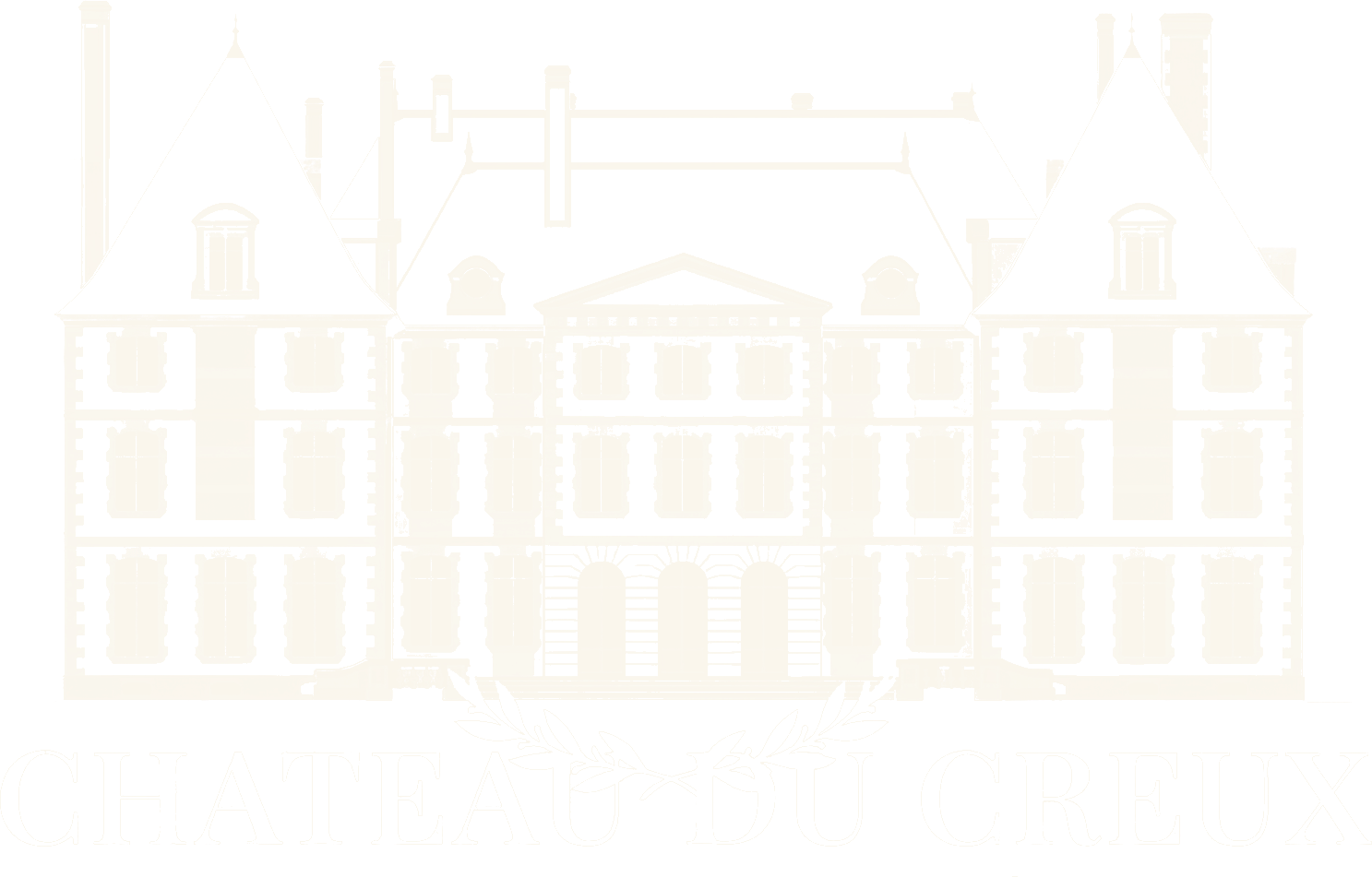
François-Marie de Fougières, sub-governor to the children of France, entrusts Nicolas-Martial Foacier, architect to the King at Versailles, with the classical remodelling. Triangular pediment, raised main block, mansard pavilions: most of the château we see today bears his signature.
Through a new marriage, the château passes to the House of Nicolay, who have lived in it ever since. The line continues unbroken to this day.
Edmond Duthoit, an architect specialising in the restoration of historic monuments, carries out major works that set the present appearance of the building.
Listed as a Historic Monument, the château remains home to the same family and now opens its doors to guests, a family home, not a museum.
Architect to the King at Versailles, Foacier is the man who shaped the château we see today. In the 1770s, his classical idiom, inherited from the great royal building sites, settles upon this Bourbonnais house with a sober, controlled elegance.
Far from the splendour of the court, here he signs an architecture of just proportions: the rigour of Versailles transposed to the scale of a family home.
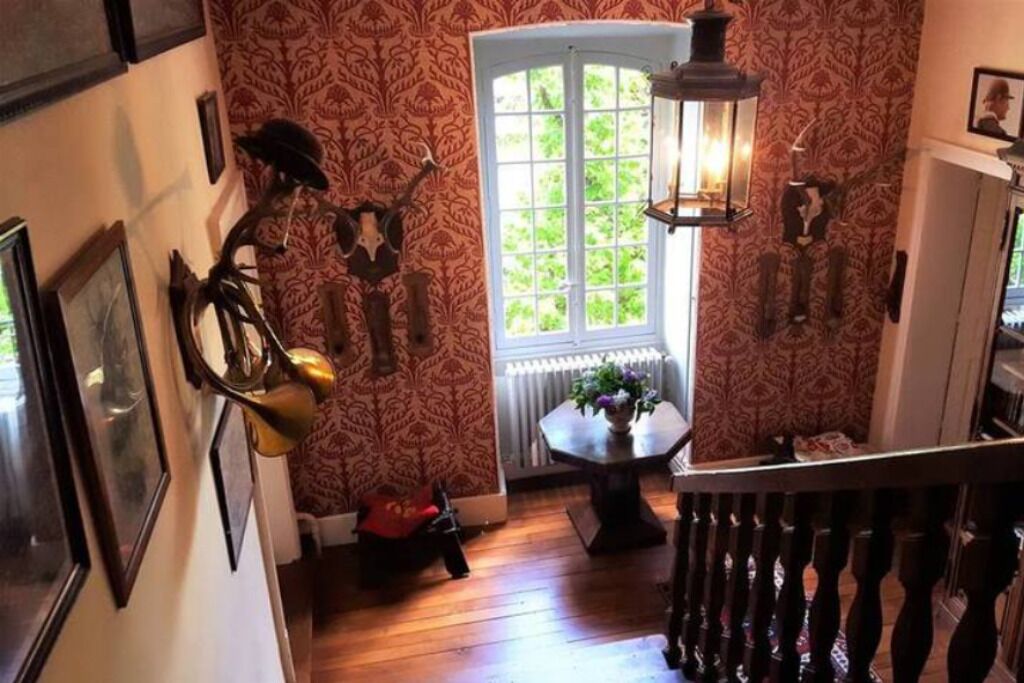
The Château du Creux is listed as a Historic Monument (Mérimée record PA00093327). This protection reflects the architectural and historical value of the building and secures its transmission to future generations.