The Château du Creux is at Vallon-en-Sully, in the Bourbonnais, a land of forests, bocage and historic heritage, halfway between Paris and Lyon. The very name of the province comes from the House of Bourbon, one of the great families of French history, which left its mark well beyond the château alone, in place names as in the local architecture.
The Bourbonnais is not exactly the same as the département of the Allier, created during the Revolution: it is a former province, older than the present administrative divisions, which owes its name to the House of Bourbon. Its historic boundaries spill slightly over into the neighbouring départements. Its heart nevertheless largely corresponds to today’s Allier. This territory, long rural and agricultural, has kept buildings untouched by the great reconstructions of the 20th century: châteaux of all sizes, Romanesque churches, villages of limestone or sandstone depending on the area, each with its local variations of colour and building technique. The Château du Creux, a classical 18th-century house, belongs to this architectural continuity without being an isolated example: several other houses of the same type lie less than an hour’s drive away, each with its own history and its own degree of openness to the public.
The Bourbonnais landscape around the château alternates woods, hedged meadows and fields, a bocage typical of this part of France rather than a pronounced relief. The Aumance, which borders the château’s park, belongs to a network of numerous modest rivers that structure the territory, useful for understanding why certain villages grew up in one place rather than another. The Tronçais forest, further north, contrasts with this open landscape through its density and age: it is one of the finest oak forests in France, partly planted under Colbert in the 17th century to supply timber for the navy. This diversity of landscapes, over a relatively small area, explains the variety of outings possible from the château, on foot or by car depending on the time available.
The Bourbonnais has a number of châteaux and manor houses out of all proportion to its size, inherited from the long-standing presence of the provincial nobility and the region’s relative agricultural prosperity in the 17th and 18th centuries. Some are open to the public, others remain lived-in private properties like the Château du Creux, visible only from the road or during occasional open days. The Romanesque churches, more numerous than in many regions of France, bear witness to another historical layer, several centuries older than the classical châteaux. This proximity of Romanesque and classical, in a territory rarely visited for these very reasons, makes it a region to explore rather than to tick off a list of must-see monuments.
The Allier remains an agricultural département, with significant cattle farming (the Charolais breed, whose cradle lies further south, is widely present in the region) and a tradition of charcuterie and local cheeses. Village markets, weekly depending on the commune, remain the best way to discover these products directly from the producers rather than in a supermarket. The château’s table d’hôte, when it is organised, draws on this local production as much as on the estate’s kitchen garden. For those who wish to discover more, the addresses recommended by the owners are listed on the page dedicated to things to do in the region, updated with the seasons rather than fixed once and for all.
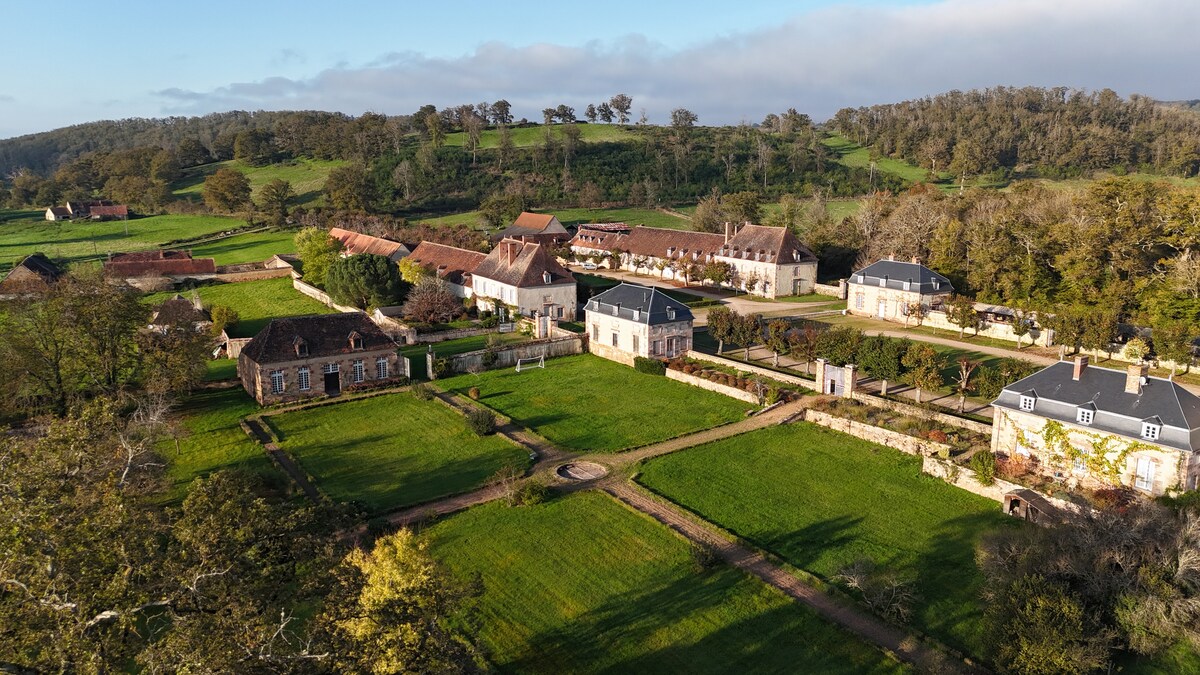
The Bourbonnais, historic land of the Dukes of Bourbon: châteaux, Romanesque churches and characterful villages follow one another across the département of the Allier.
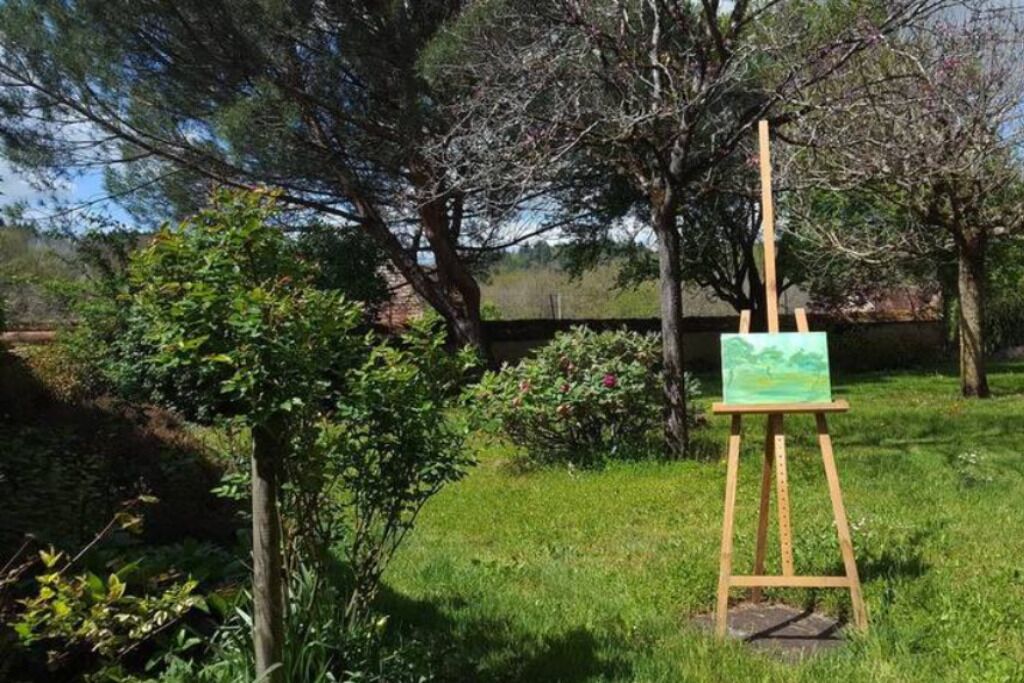
Tronçais forest, neighbouring châteaux, markets and local gastronomy: several discoveries within an hour of the château.
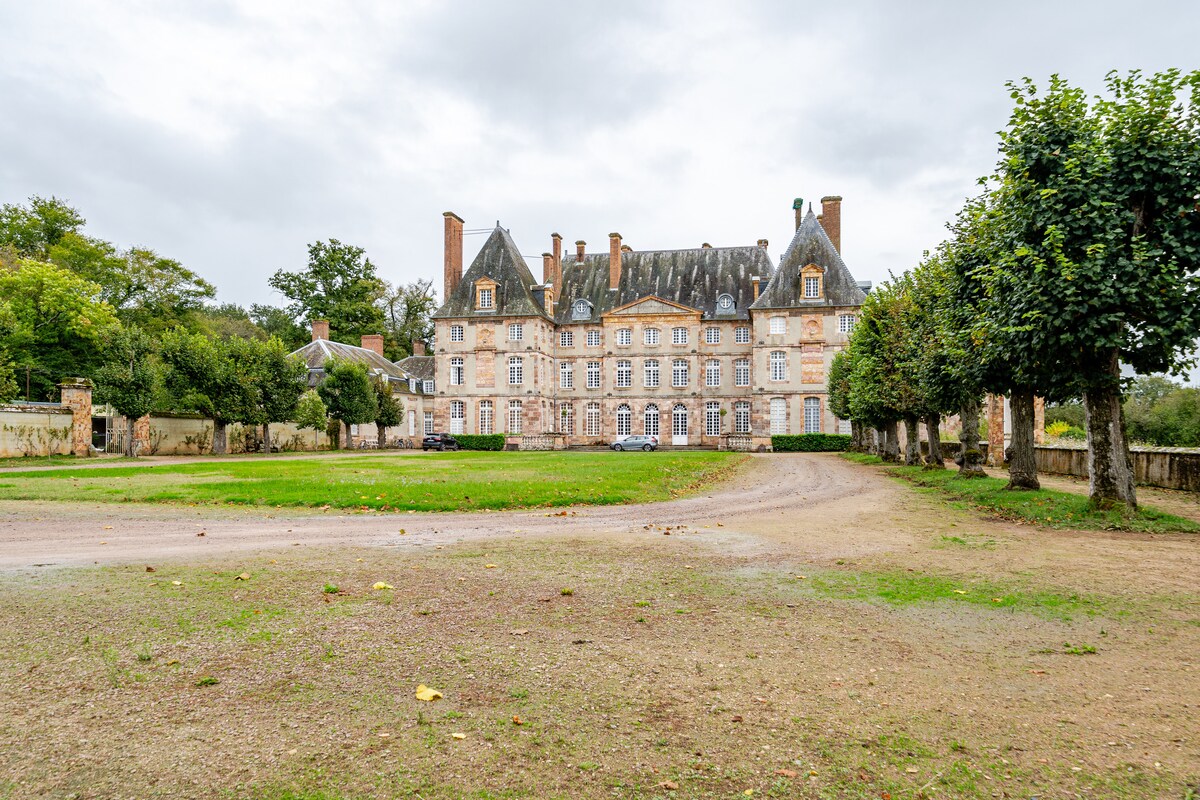
About three hours’ drive from Paris, two hours from Lyon: routes, nearby stations and airports.
Seasonal news from the Château, a few times a year.